
Q2 turned out to be a far more interesting quarter than the index returns alone suggest. Markets clawed back from a serious geopolitical scare while a huge IPO, a change at the top of the Fed and a leadership crisis in the UK all played out at once. Here is our review of the quarter, and what we are watching in Q3.
What happened in markets in Q2 2026?
Q2 2026 was a relief rally after an oil scare. An Iran ceasefire in April and a framework agreement in June brought Brent down nearly 20% from its peak above $126, and the S&P 500 rallied around 15%, its best quarter since 2020. A new, more hawkish Fed chair pushed rate cut expectations out to 2027, gold fell around 16%, and SpaceX completed the largest IPO ever at a roughly $1.77 trillion valuation.
Table of Contents
ToggleA relief rally after an oil scare

The simplest way to describe the quarter is a relief rally after an oil scare. The Iran conflict pushed Brent above $100 in March and as high as $126 at its peak once Iran closed the Strait of Hormuz. That alone was enough to wipe out hopes of rate cuts and drag the S&P 500 down 4.3% in the first quarter.
Things turned in April. A ceasefire on the 8th, followed by an agreement signed on 17 June between President Trump and Iran’s president, brought oil down nearly 20% through May and back close to where it started the year. That is really the story behind the strength we saw: the S&P rallied around 15%, its best quarter since 2020, while energy stocks, the star performers during the crisis, actually lagged once the fear premium came out of the price.
One thing worth bearing in mind: the agreement is a framework rather than a finished deal. The harder issues around Iran’s nuclear programme and sanctions are still to be negotiated over the coming month or so, so there is some risk sitting in the oil price that has not fully gone away.
Ready to move forward with confidence?
We would be pleased to learn more about your plans and show how we can support you.
A broad rally, backed by earnings
The rally itself was pleasingly broad rather than just another few big tech names doing all the work, which is generally a healthier sign. April was strong on its own, with the S&P up over 10%. May was even stronger, closing at a record high, and the Nasdaq returned close to 25% across those two months as enthusiasm around AI spending picked back up.
June cooled off, down 3 to 4% from the highs, which felt more like a breather than anything more serious. That said, valuations were already fairly full going in, so this is not a market that can afford many surprises.
Smaller companies did well too, up over 20% for the year, and emerging markets had a strong run, up around 24%, led by Taiwan and South Korea on the back of chip demand, while China and India lagged. Within the US market, chip stocks had an extraordinary quarter, and by June the baton had passed to more traditional sectors like industrials, financials and healthcare, with energy the one clear laggard.
Importantly, earnings backed all of this up rather than it being pure sentiment. The vast majority of companies beat first quarter estimates, and expectations for the second quarter were sitting at around 22% growth, with Nvidia’s results in May a particular highlight.
A new hand at the Fed
The bigger structural change this quarter, and one we think matters more than people realise, was at the Fed. Kevin Warsh was confirmed as the new Chair in one of the tightest votes in living memory and was sworn in on 22 May. His first meeting in charge, on 17 June, held rates steady but came with a noticeably shorter, more hawkish tone than his predecessor, and the Fed’s own projections now show no rate cut this year at all, pushed out to 2027 or later. That is a real shift in how we would expect the Fed to behave, and worth adjusting expectations around.
Inflation itself told an interesting story too. May’s CPI came in at 4.2%, but that was almost entirely down to the spike in energy prices; the core figure, which strips that out, sat at a much more comfortable 2.9%. Our sense is this supports the idea that the inflation spike was a one-off shock rather than something more entrenched, and Warsh himself seems willing to look past it, but he has made clear he wants to see it in the data before cutting rates.
Meanwhile the 10 year Treasury yield ended May around 4.45%, touched a low of 4.36% in late June, and has since bounced back to around 4.48% as sentiment on rate cuts has swung back and forth.
Gold, bonds and credit

Gold was notably weaker over the quarter, down around 16%, its worst showing since 2013, as higher yields and a stronger dollar weighed on the metal, even though central banks, China in particular, continued to buy steadily throughout.
We would view this as a repricing around near term rate expectations rather than any change to the longer term case for gold, but it is a reminder of how sensitive the metal remains to the rates path, and we would be cautious about reading too much into further weakness without more clarity from the Fed.
Credit markets stayed calm and spreads tightened alongside the equity rally. It is worth mentioning that the Bank of England’s Governor used a speech in early July to flag rising leverage across bonds, equities and private credit as something worth keeping an eye on, which feels like a fair point given how tight spreads have become.
Politics: a UK transition and the tariff maze
On the political side, the UK is probably the more interesting story to watch right now. Sir Keir Starmer announced on 22 June that he is stepping down as Prime Minister after Labour took a beating in the May local elections, losing nearly 1,500 council seats to Reform UK. He will stay on until a successor is chosen, with Andy Burnham the frontrunner. It will be the UK’s sixth Prime Minister in seven years, and we will be keeping a close eye on gilts and sterling through the transition, especially given the Bank of England’s comments above.
In the US, tariffs remain messier than people might assume. The Supreme Court struck down most of the broader tariffs in February, but the White House switched to a different legal route within hours and put a flat 10% tariff on globally, running through to late July, so the underlying uncertainty never really went away; it just changed shape.
President Trump’s approval ratings sit near the lows of his term heading toward November’s midterms, with Democrats currently ahead in the polls, though some redistricting has improved Republican chances of holding the House. All of this adds another layer of uncertainty for anyone thinking about US policy continuity into 2027.
Ready to move forward with confidence?
We would be pleased to learn more about your plans and show how we can support you.
SpaceX: the largest IPO in history
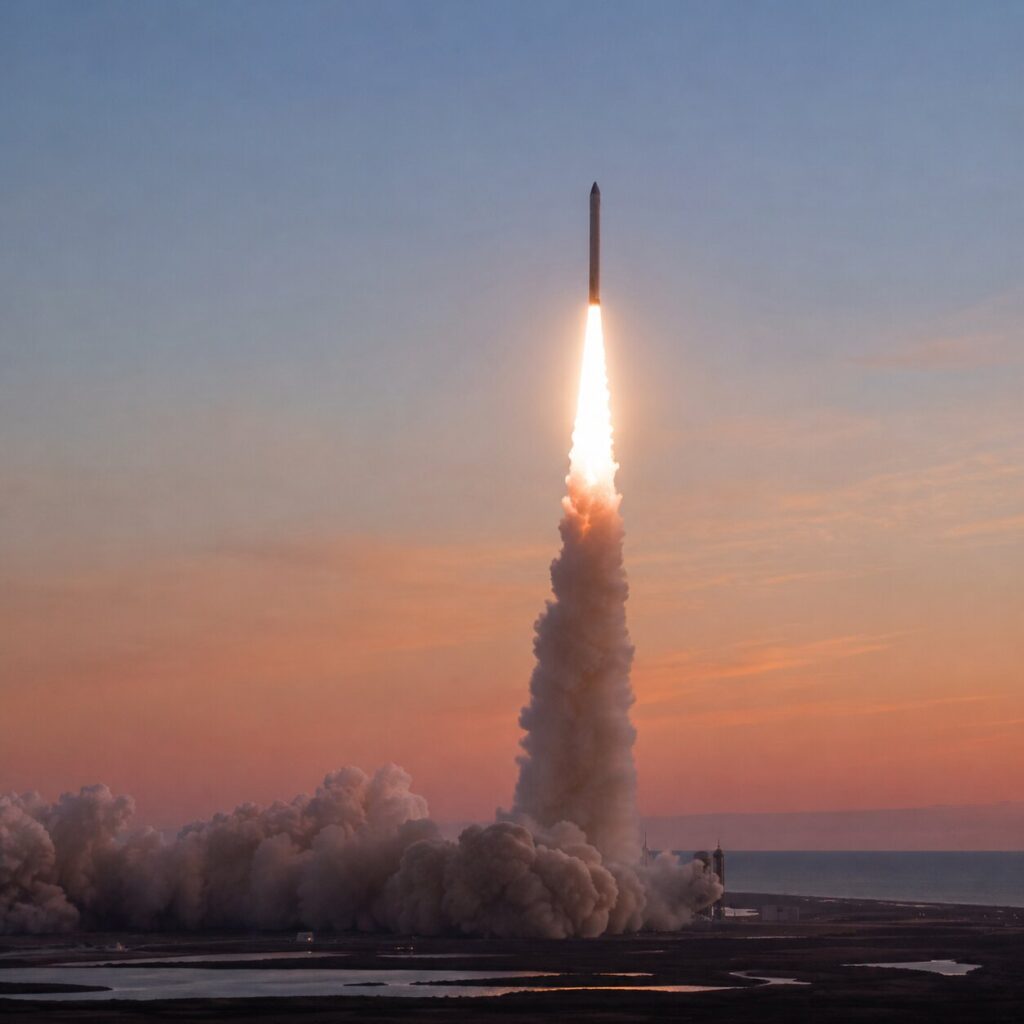
SpaceX deserves its own mention simply as one of the biggest capital markets events in years. The company filed to go public in April, published its prospectus in May, and priced its shares on 11 June at $135, skipping the usual bookbuilding process entirely. It listed on Nasdaq the next day, raising around $75 billion at a valuation of roughly $1.77 trillion, the largest IPO ever. The stock jumped 19% on debut and briefly touched a market value above $2.6 trillion a few days later, before settling back to around $153 by quarter end, still well above the issue price but clearly volatile.
Nasdaq changed its own rules to let the stock into its index early, and retail investors were given a much larger allocation than usual, both of which could mean more volatility around the name in the months ahead.
The debate on value is a real one. Starlink is genuinely profitable, but the wider group posted a $4.28 billion loss in the first quarter alone, roughly $2 million an hour, and some analysts think fair value is closer to half the current price. We would treat it as a name to watch rather than one with a settled story either way.
What we are watching in Q3
- Whether oil stays settled as the Iran agreement gets tested over the coming weeks.
- How the UK leadership race plays out, and what it means for gilts and sterling.
- The next inflation print and the Fed’s late July meeting, the real test of whether the rate cut pause holds.
- How credit markets behave, given the Bank of England’s comments on leverage.
- How SpaceX settles down once the initial excitement fades.
Frequently Asked Questions
How did the stock market perform in Q2 2026?
Strongly. The S&P 500 rallied around 15%, its best quarter since 2020, recovering from a first quarter fall driven by the oil price spike. The rally was broad, taking in smaller companies and emerging markets, and was supported by earnings, with most companies beating first quarter estimates.
Why did oil prices fall in Q2 2026?
Because the fear premium came out. Brent had spiked as high as $126 when Iran closed the Strait of Hormuz, then fell nearly 20% after the April ceasefire and the framework agreement signed in June. The agreement leaves harder issues unresolved, so some risk remains in the price.
Will the Fed cut interest rates in 2026?
On current projections, no. Under new Chair Kevin Warsh the Fed held rates steady in June with a more hawkish tone, and its own projections now show no cut this year, pushed out to 2027 or later. The late July meeting and the next inflation print are the tests of whether that holds.
Should I change my portfolio based on this quarter?
Not on a quarter’s news alone. Quarterly moves, even dramatic ones, rarely justify changing a well built long term plan. If your circumstances or goals have changed, or you want to check your portfolio still fits them, that is a conversation worth having with your adviser.
A quarter that rewarded staying invested
Anyone who sold in March, during the oil spike, missed the best quarter for US equities since 2020. It is the oldest lesson in investing, and this quarter taught it again: time in the market beats timing the market.
If you would like to discuss what any of this means for your own portfolio and plan, get in touch with Ark Wealth Management, or read more about our approach to investment management.
This article is for information only and does not constitute personal financial advice or a recommendation to buy or sell any investment. References to specific companies are for illustration only and are not recommendations. The value of investments can fall as well as rise and you may get back less than you invest. Past performance is not a guide to future performance. Views and forward looking comments are the author’s opinions as at the date shown and may change. Ark Wealth Management is an Appointed Representative of Quilter Financial Services Ltd and is authorised and regulated by the Financial Conduct Authority.
Ready to move forward with confidence?
We would be pleased to learn more about your plans and show how we can support you.